
Empowering Women to Live with Freedom and Purpose
✔ 12- Step Foundation
✔ Recovery-Based Coaching from House Manager and Owner
✔ 90-Day Commitment
✔ Family Coaching
✔ Sponsorship
✔ Daily and Weekly Chores
✔ Service Work
✔ Life 360 Support
✔ Drug & Alcohol Testing
✔ Accountability
✔ Mandatory Morning Meditation
Our Mission
At Wilson House, we believe recovery is about more than abstaining from substances—it's about building a life rooted in purpose, connection, and personal responsibility. Our mission is to provide women with a safe, structured, and supportive home where they can strengthen their recovery, develop life skills, and confidently transition toward independent living.We believe that structure creates freedom. Our home provides a substance-free, accountable environment where women can establish healthy routines, practice responsibility, and continue applying the principles of recovery in everyday life. The expectations at Wilson House are intentional—they exist to promote safety, stability, and long-term success.
Recovery requires willingness, honesty, and action. Every resident commits to living by the principles of honesty, integrity, service, and accountability. These values create a culture where women encourage one another, celebrate victories together, and support each other through life's challenges.
Our hope is that every woman who walks through our doors leaves with more than sobriety. We want her to leave with confidence, healthy relationships, practical life skills, a stronger sense of self, and the foundation to build a meaningful life in recovery.
Wilson House is more than a sober living home—it's a community where women heal together, grow together, and prepare for the next chapter of their lives with courage, purpose, and hope.
What We Believe About Recovery
Recovery is more than abstinence
Recovery requires action
Recovery requires accountability
Recovery requires connection
Recovery is not perfection
Sponsorship is not extra credit
We need a community and strong fellowship around us
Core Values
Honesty
Integrity
Accountability
Service
Respect
Courage
Community
Spiritual Growth
Our Home
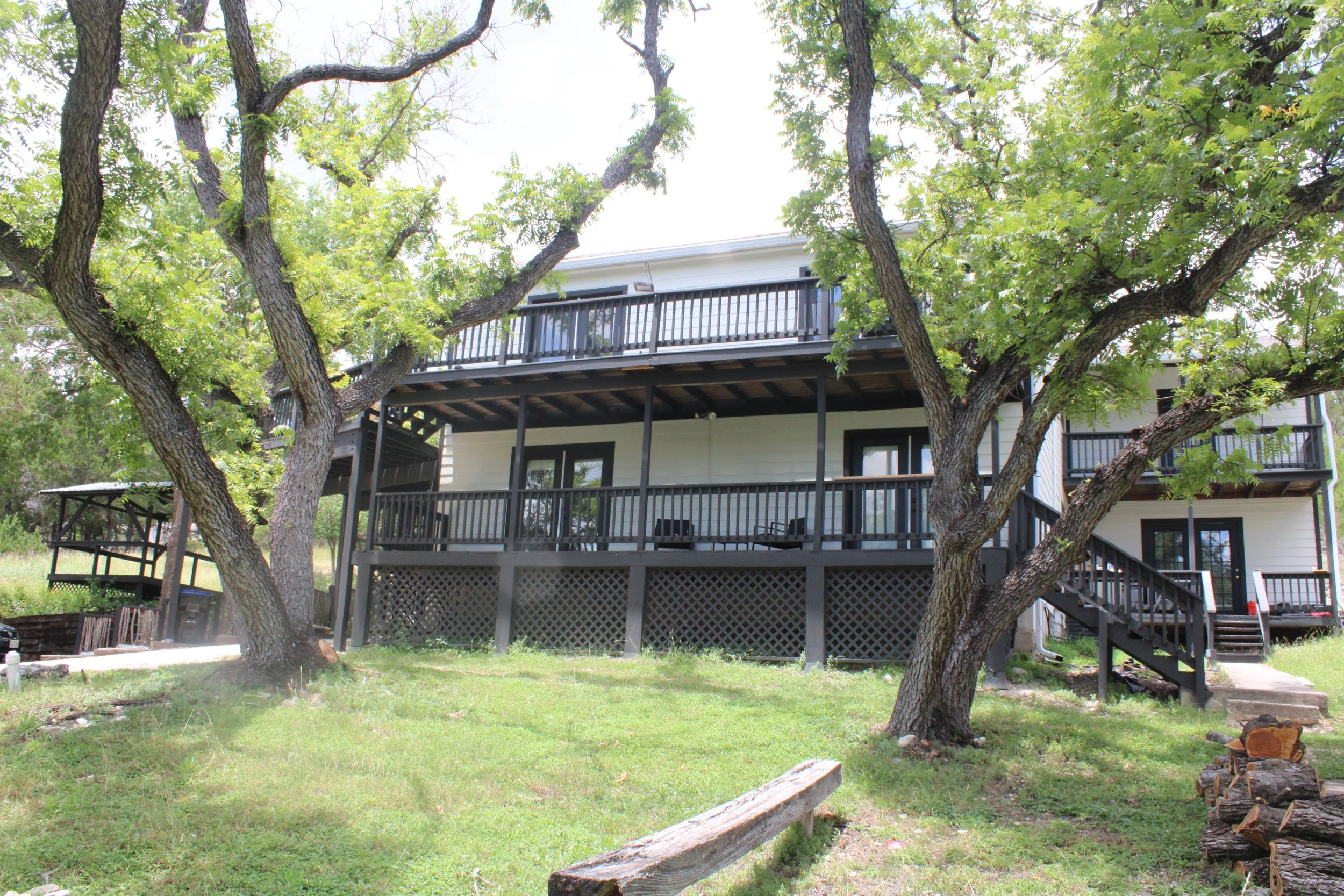
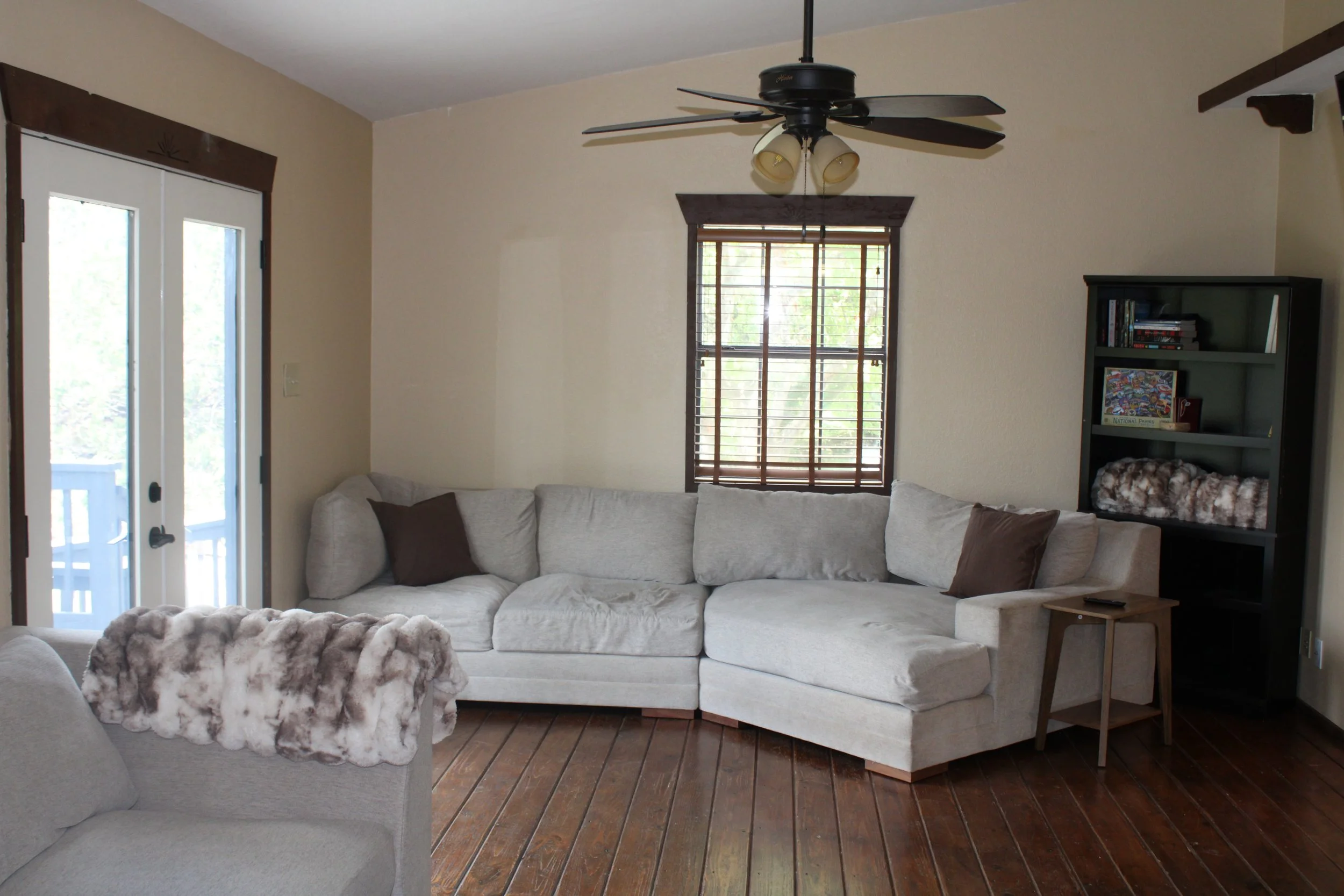
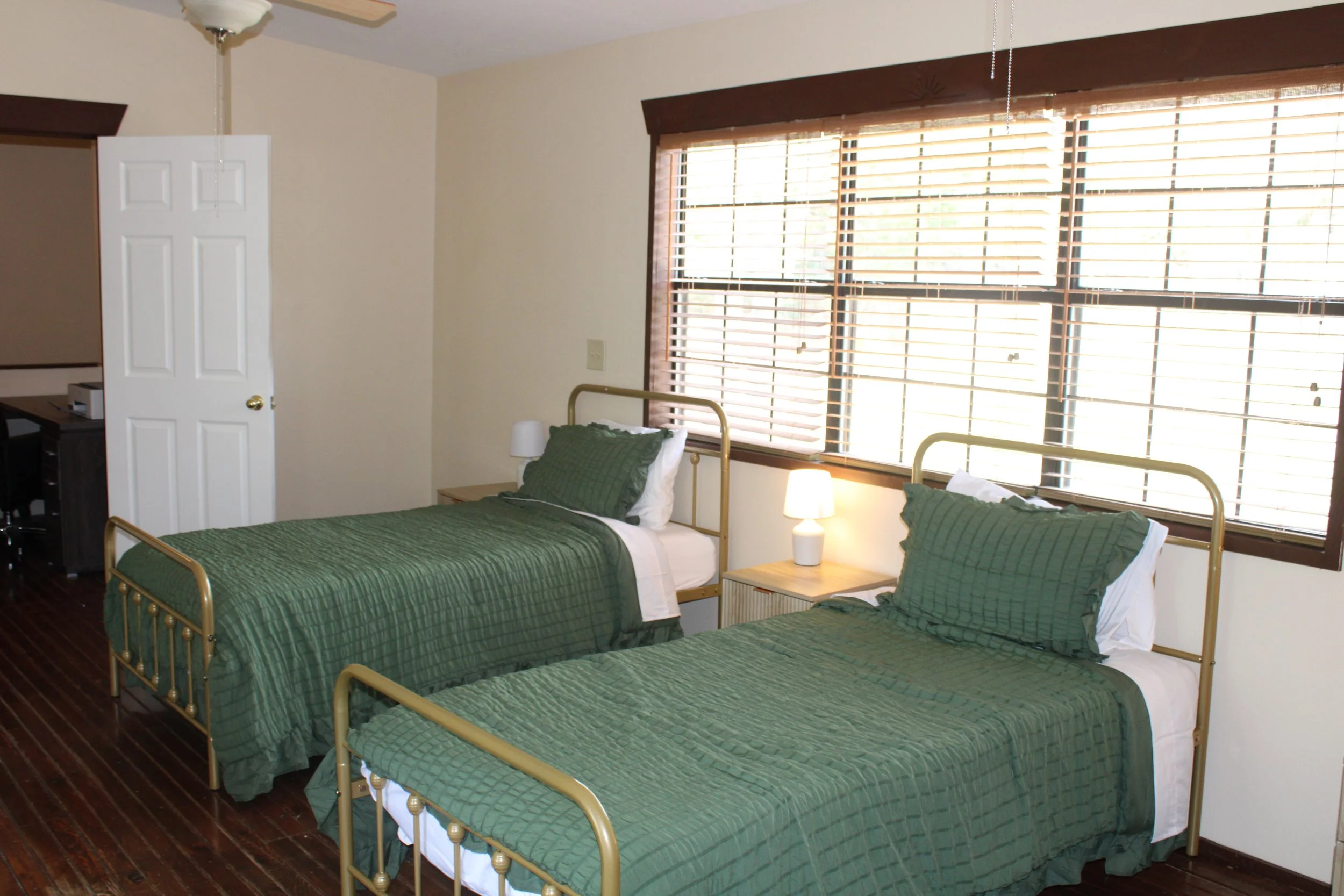
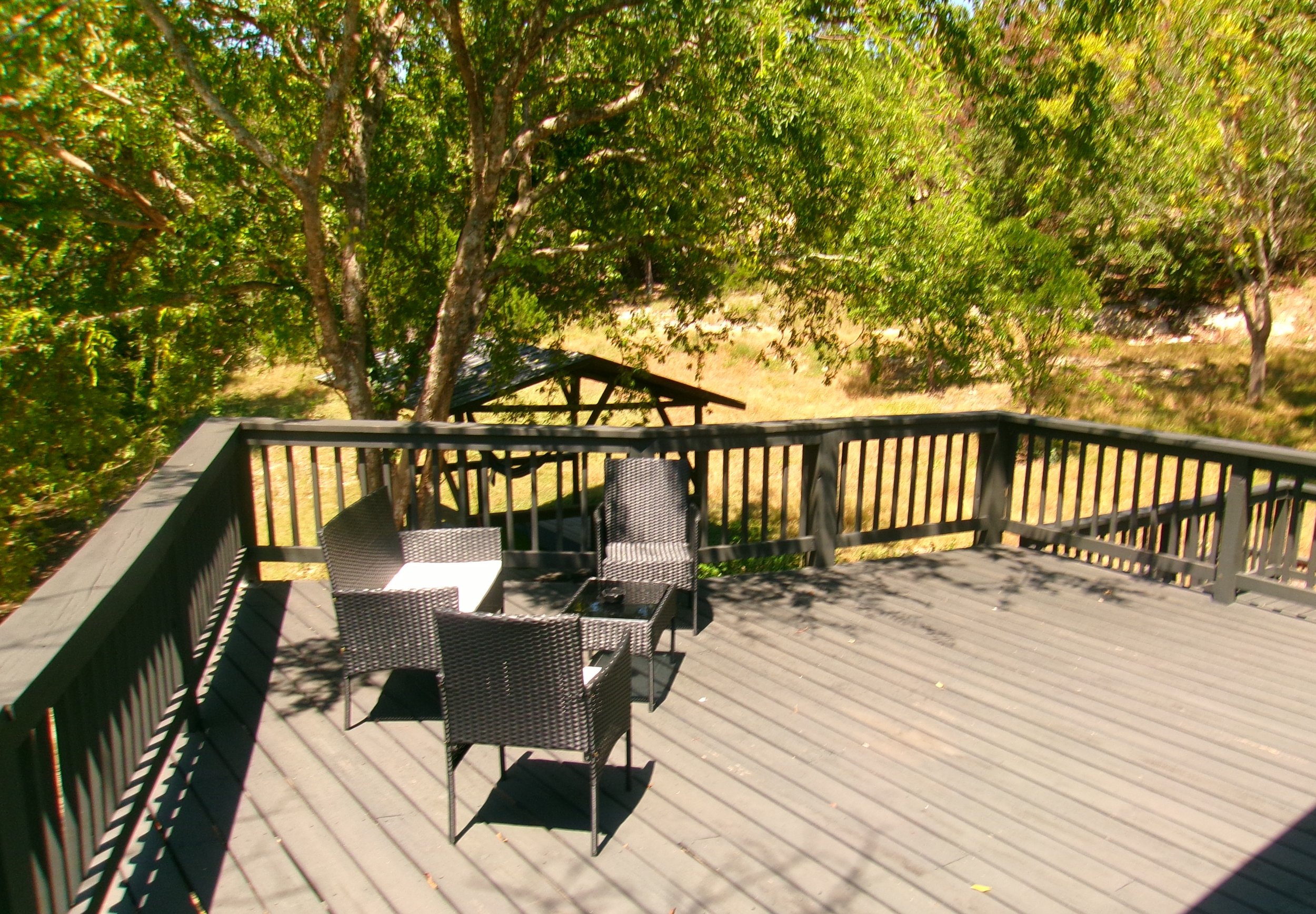
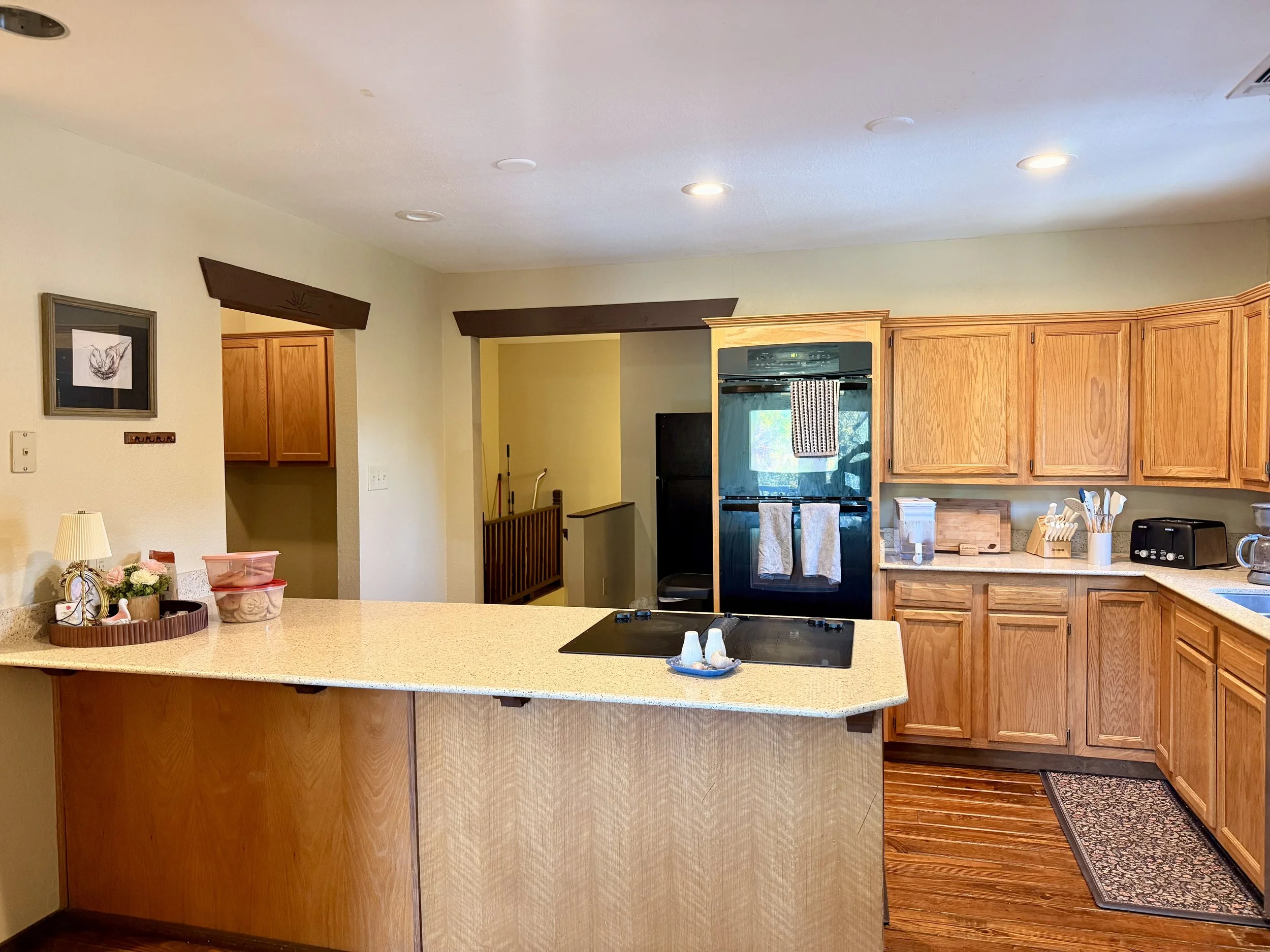
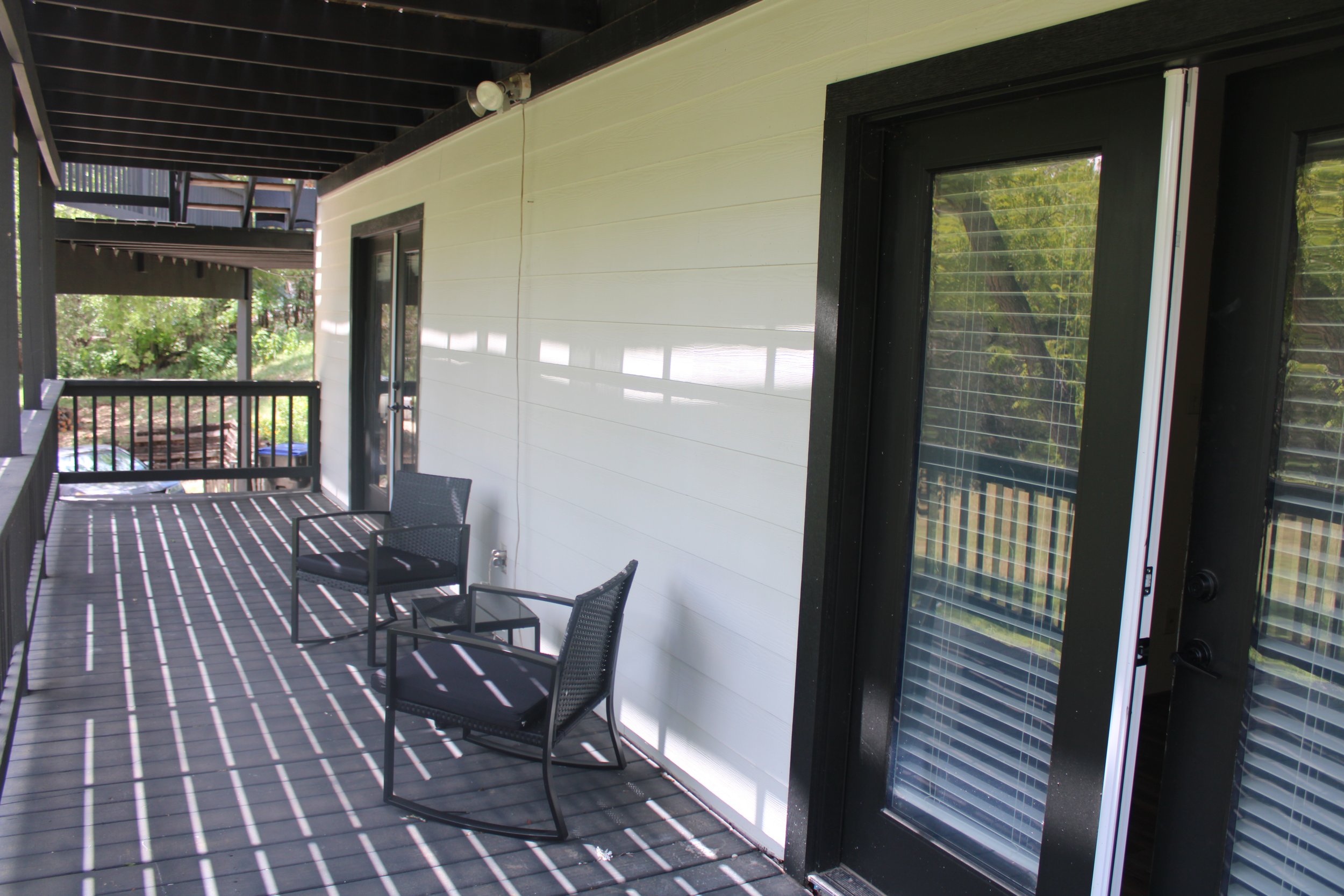
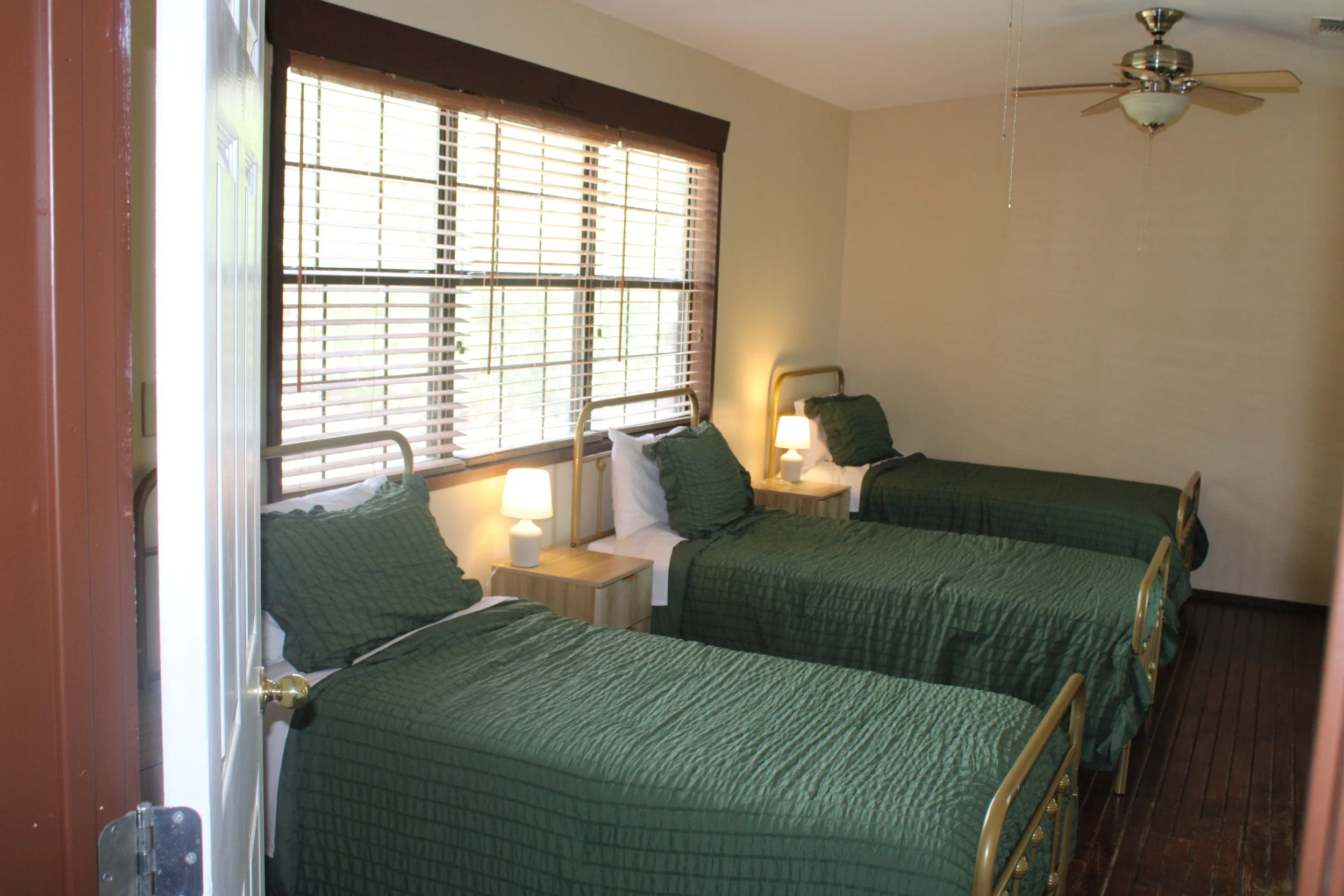
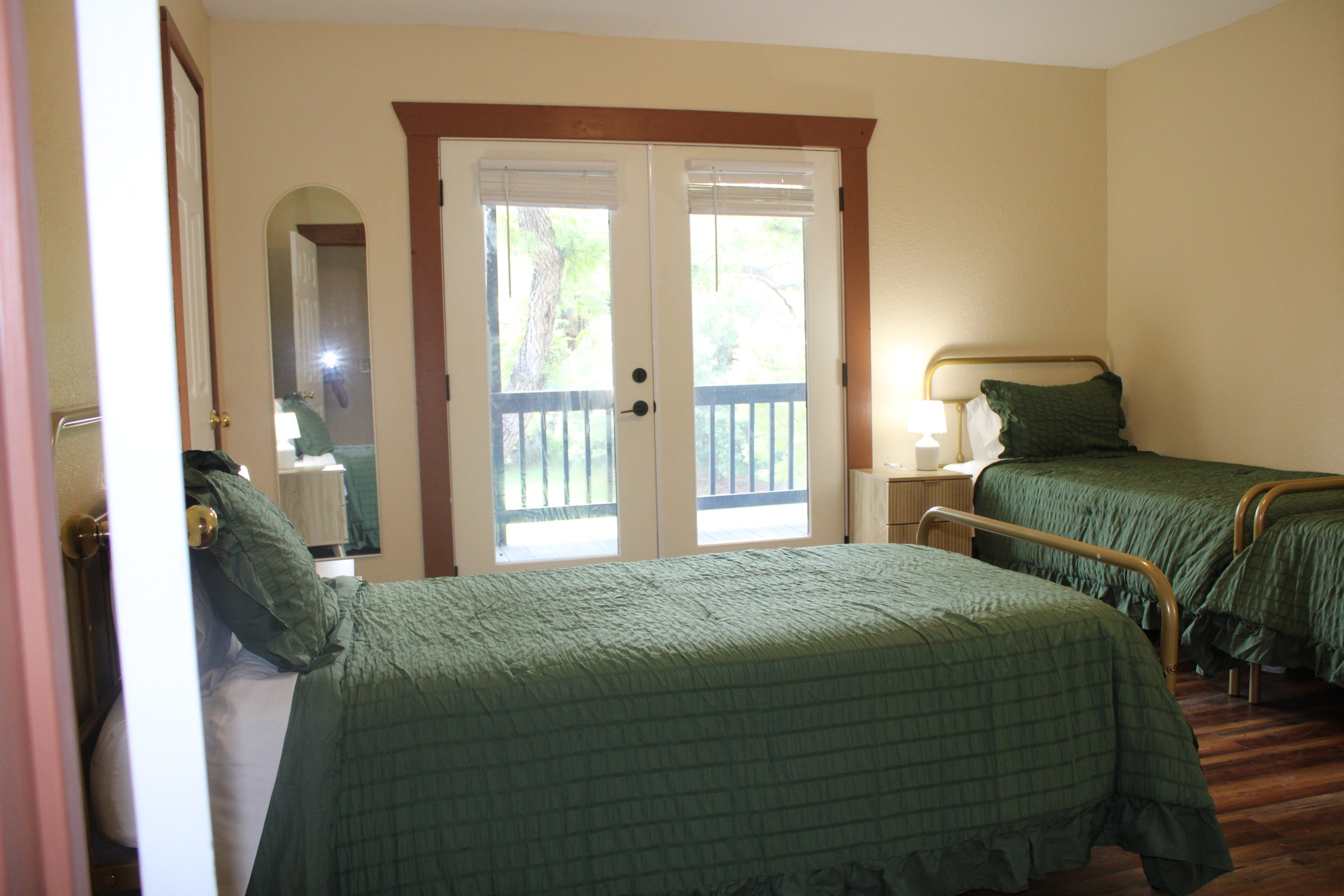
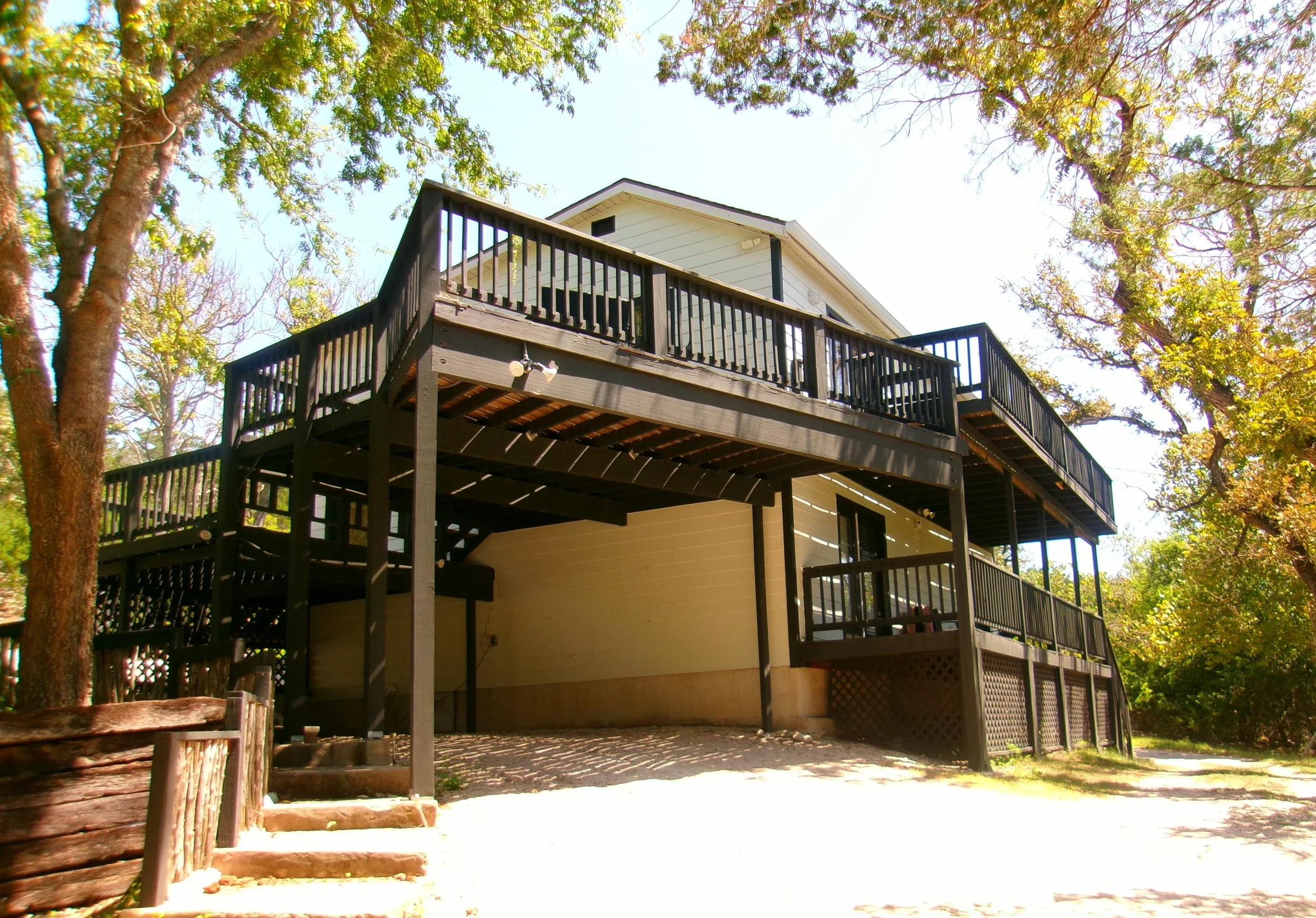
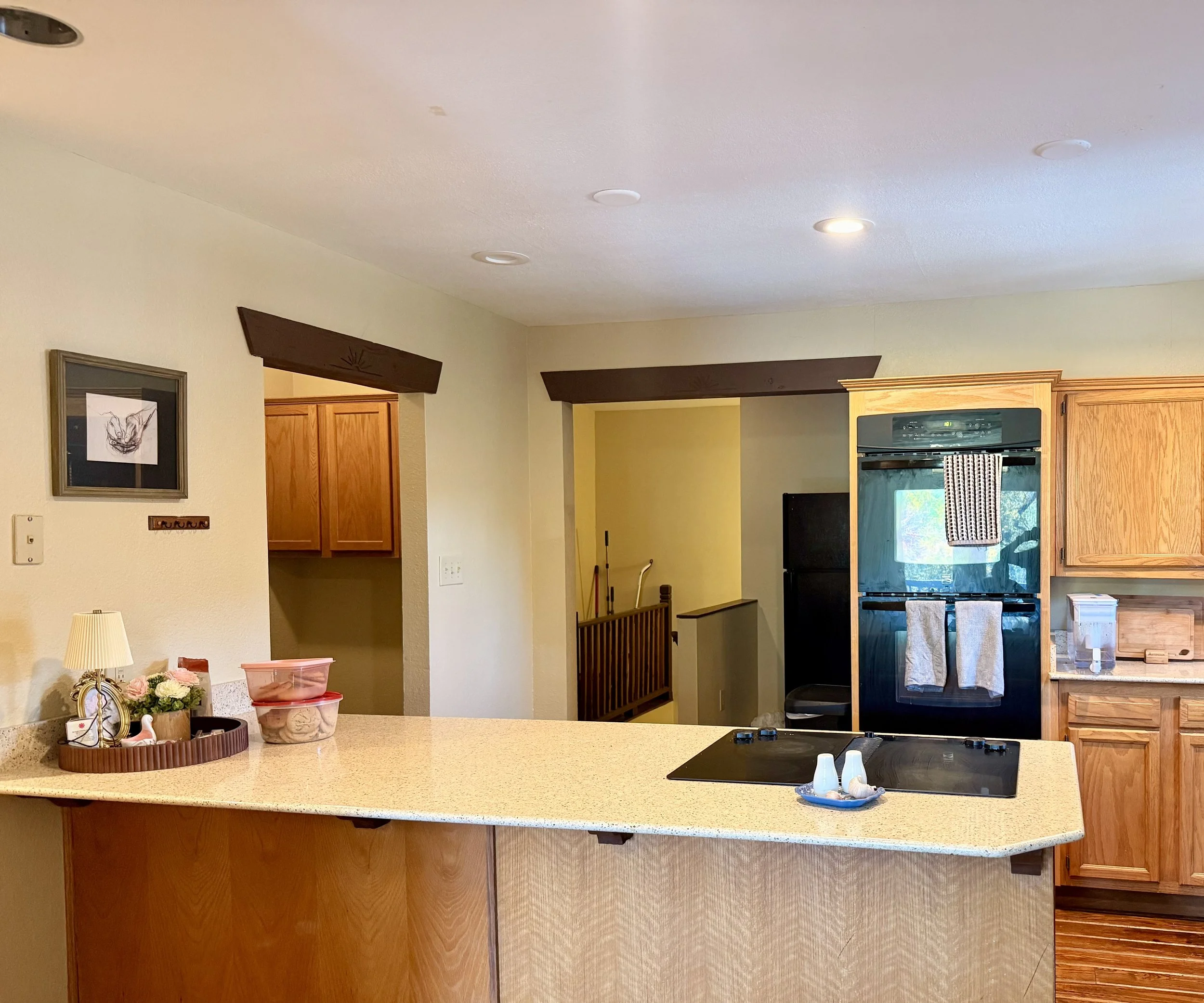
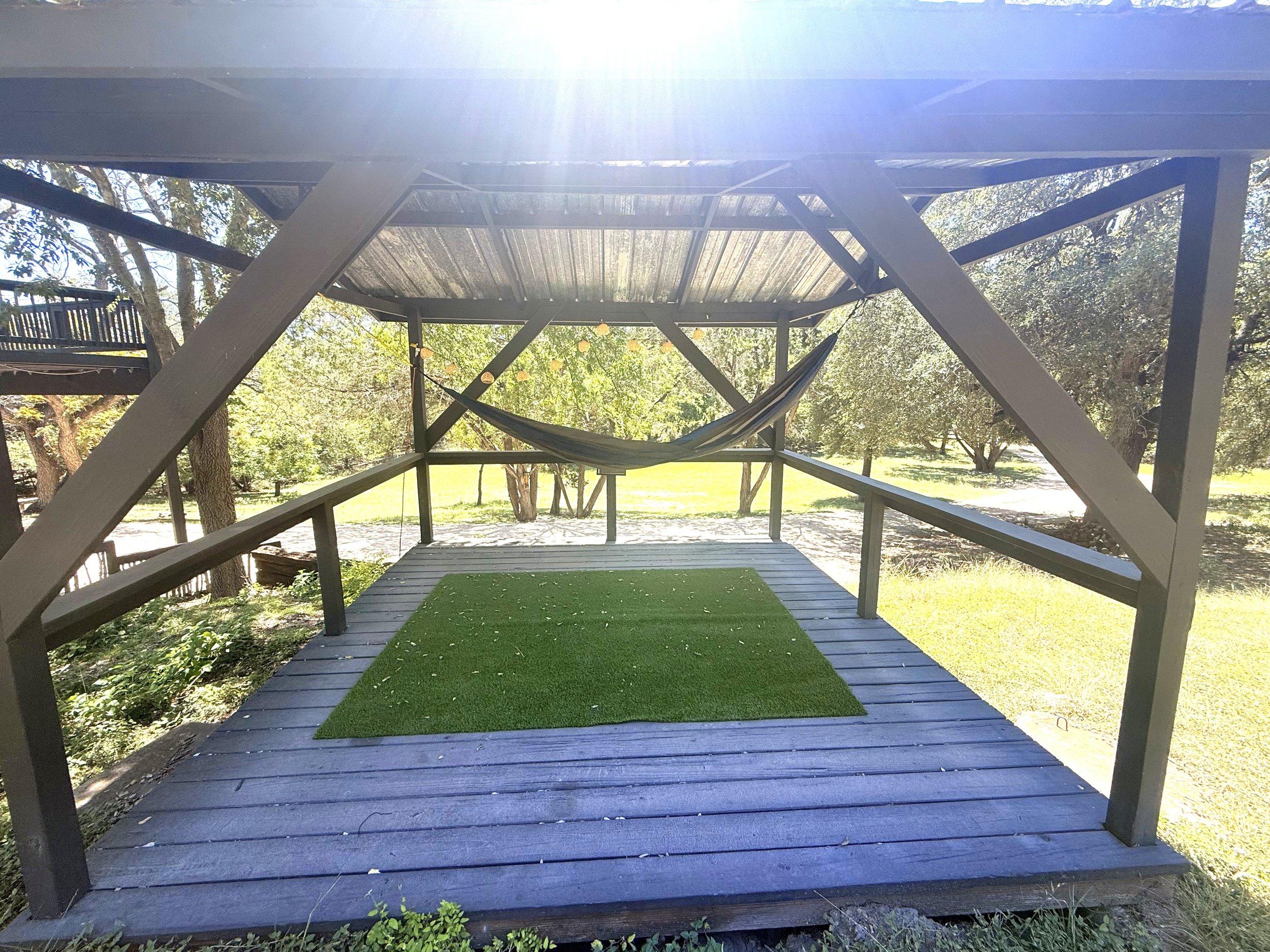
Located on several wooded acres just minutes from Kerrville, Wilson House provides a serene environment where women can focus on healing while preparing for independent living. Our spacious five-bedroom, 3 bathroom, 12-bed home features multiple balconies for quiet reflection, prayer, meditation, and relaxation, offering the comfort of home in a supportive recovery community.
We Provide:
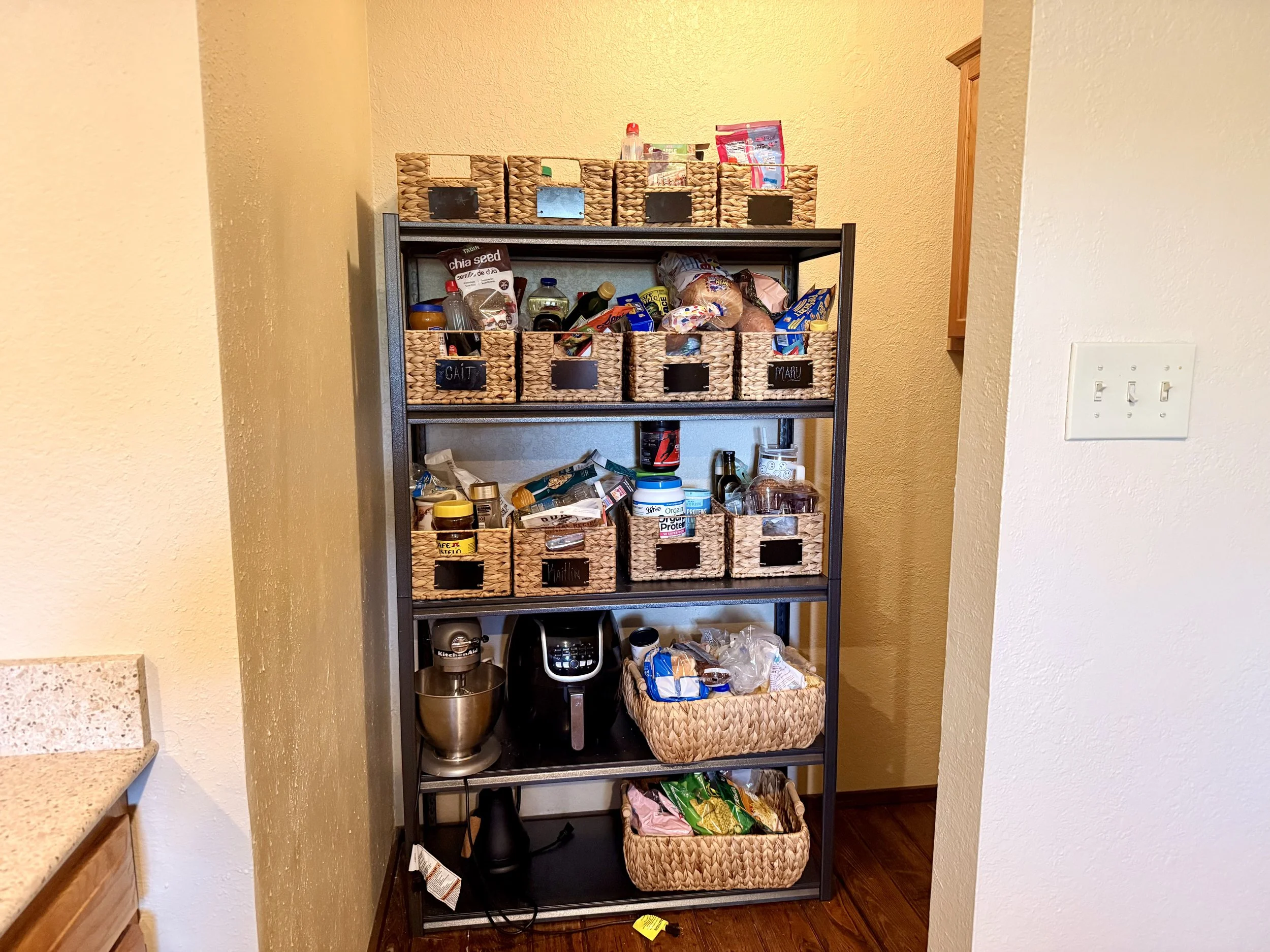
✔ Towels
✔ Bedding
✔ Cleaning Supplies
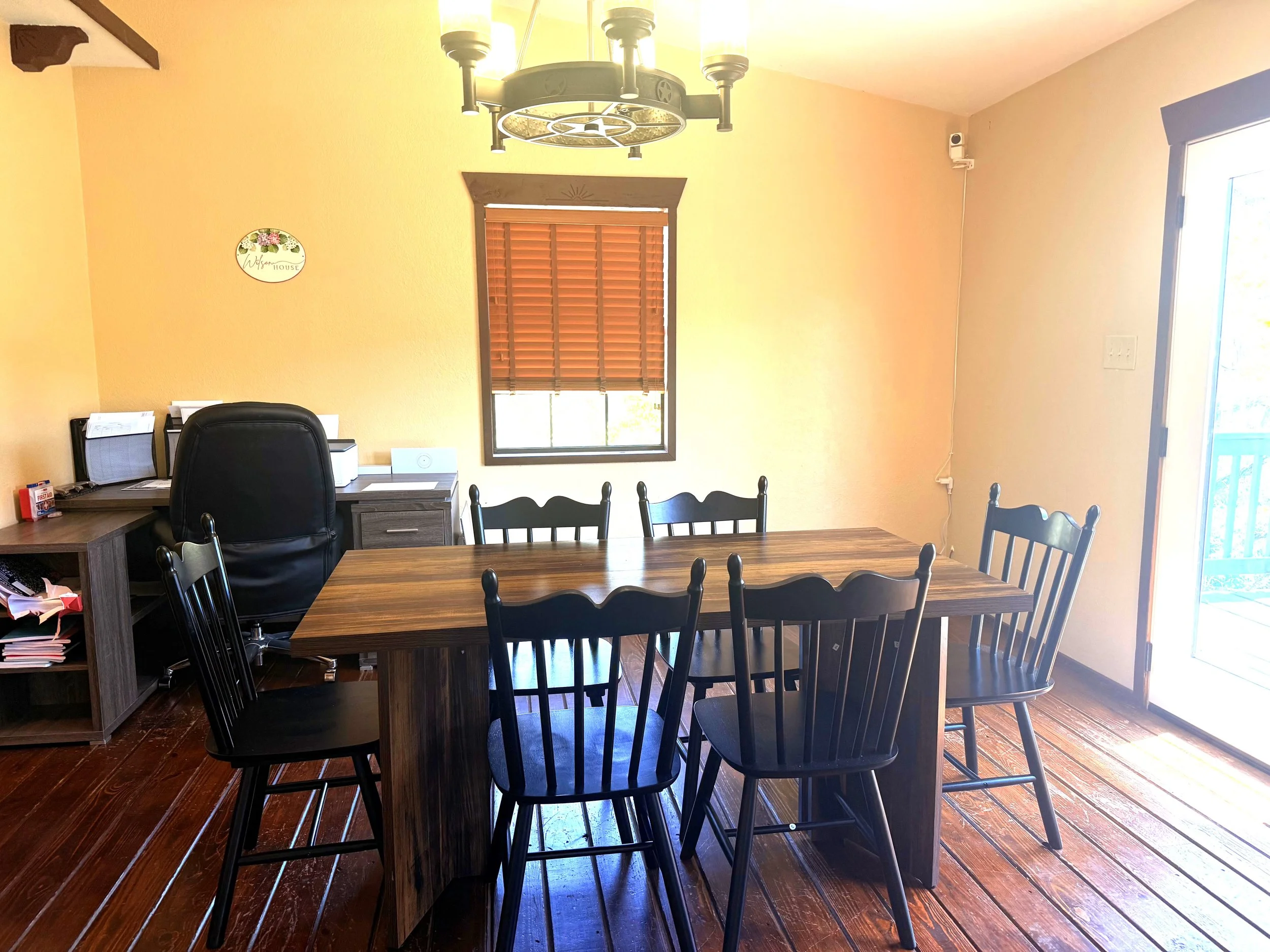
✔ Dishware/Cooking Utensils/Pots & Pans
✔ Under the bed storage
✔ Toilet paper & paper towels
✔ Washer & Dryer
✔ Star link Internet
✔ Smart TV in living room
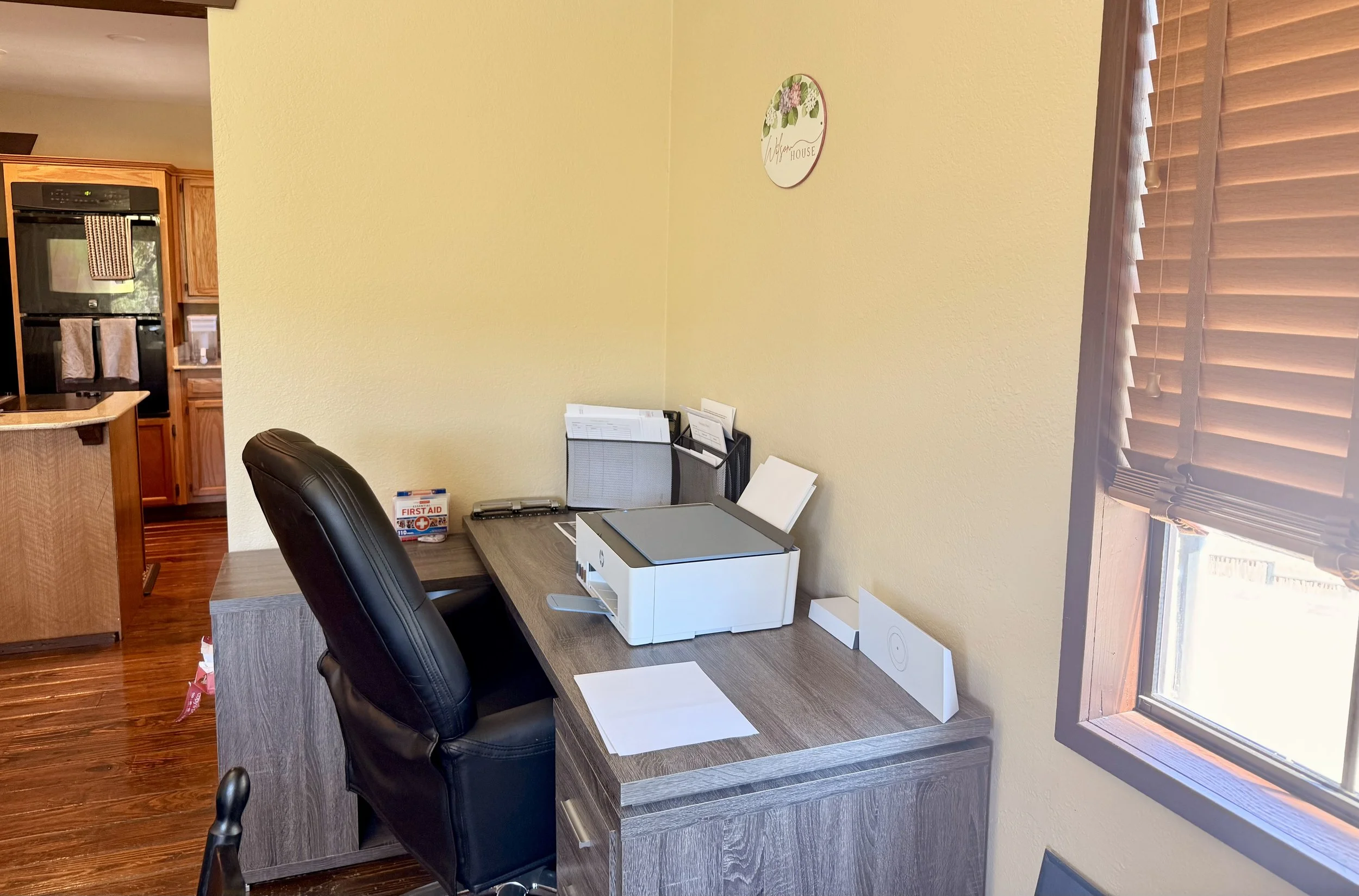
✔ Desktop & Printer

Frequently Asked Questions
-
High accountability means residents are expected to take responsibility for their recovery, choices, and daily commitments. Wilson House provides support and clear expectations while encouraging residents to follow through on what they say they are going to do. This may include maintaining sobriety, attending recovery meetings, completing assigned responsibilities, communicating with staff, following house rules, and being honest when challenges arise.
High structure means residents have a consistent daily routine and clear expectations designed to support stability in early recovery. Residents have guidelines around things such as curfew, meetings, house responsibilities, employment or school, medication management, transportation, and community participation. The goal is not to control residents, but to provide the routine and stability needed to build healthy habits and greater independence.
In simple terms: High structure provides the framework, and high accountability helps residents follow through. The ultimate goal is to help residents transition from external structure to self-discipline, responsibility, and sustainable independence in recovery.
-
At Wilson House, we intentionally prioritize shared living spaces because community is an important part of early sobriety. Recovery can feel isolating, and having peers around you provides connection, accountability, encouragement, and opportunities to practice healthy communication and relationships.
Living with others also helps residents learn how to navigate everyday challenges in recovery—such as setting boundaries, resolving conflict, being vulnerable, and supporting one another. While privacy and personal space are important, we believe that connection and community are essential building blocks for long-term recovery, especially during the early stages of sobriety.
-
Unfortunately, no, pets are not permitted at Wilson House, even though we are BIG animal people! 🐾 We understand that pets are family and that leaving them behind can be difficult.
While you’re at Wilson House, there are plenty of opportunities to get your animal fix. Kerrville has several local shelters and animal rescues where residents can volunteer, spend time with animals, and give back to the community. It can be a great way to get your fill of animal love while also building connection and purpose in recovery.
-
No! Having a vehicle is not a requirement at Wilson House.
We believe having a car can be a privilege that is earned, especially when the vehicle belongs to someone else, such as a parent or family member. Learning to manage transportation, ask for help, and rely on your recovery community are all important parts of early sobriety.
At Wilson House, we want residents to learn that they don’t have to do everything on their own. Sometimes recovery means asking a housemate for a ride, utilizing available transportation, or accepting help from the people around you. These experiences can build humility, connection, accountability, and independence over time.
You don't need a car to work your recovery—you need a willingness to participate and ask for help when you need it.
-
We understand that family relationships can be complicated, and you may not feel ready—or even want—to involve your family in your recovery. We respect that.
At Wilson House, however, we believe that addiction is a family disease, and recovery often benefits when healthy support systems are involved. Even when family involvement feels uncomfortable, challenging, or inconvenient, having supportive people who understand what you’re going through can strengthen long-term sobriety.
Our goal is not to force unhealthy relationships or involve people who are unsafe. Instead, we encourage residents to explore what healthy support and appropriate family involvement could look like for them. Sometimes recovery means allowing others to walk alongside us, even when our first instinct is to do it alone.
-
Absolutely—we want recovery to help you become the mother, daughter, sister, and family member you were meant to be. Sober living is not the end goal; it is a stepping stone toward building a healthy, independent life in recovery.
That said, visits and time with children are determined on an individual basis and are at the discretion of the House Manager. This allows us to consider your progress in the program, your recovery, safety, and what is healthiest for everyone involved.
We encourage open communication and honest conversations about family visits. If seeing your children is important to you, talk with your House Manager about what that can look like and when it may be appropriate.
-
Early recovery takes time. Ninety days allows you to settle into a routine, build meaningful relationships within the recovery community, practice accountability, establish healthy habits, work through challenges, and begin creating a life outside of addiction.
We also believe that sober living is not meant to be a place you stay forever—it is a bridge to independence. The goal is to use these 90 days to build the skills, confidence, and support system you need to continue your recovery long after you leave Wilson House.
90 days isn't about keeping you here; it's about giving your recovery the time and space it deserves.
-
Yes. You are always free to make your own choices. Wilson House is a voluntary recovery environment, and we cannot force you to stay.
We do believe that staying for the full 90-day commitment gives you the opportunity to experience the benefits of structure, accountability, community, and consistency that are so important in early recovery.
Residents are able to come and go from the house as they please, while still following house expectations and curfews. For safety and accountability, Wilson House uses Life360 to help staff and residents stay connected and know where residents are when they are away from the house.
If you’re thinking about leaving, we encourage you to have an honest conversation with your House Manager first. Sometimes the desire to leave can be an opportunity to work through something important in recovery.
Our goal isn’t to keep you here—it’s to help you build a life you don’t want to leave recovery for.

Brittany Schott
Owner/Founder
Brittany Schott is the founder of Wilson House and is passionate about helping women discover that lasting recovery is possible. Drawing from her own recovery journey and years of experience in residential addiction treatment, she leads with authenticity, compassion, and loving accountability.
Since finding sobriety in 2018, Brittany has remained deeply involved in the recovery community through sponsorship, mentorship, and service. She believes healing happens through connection and that recovery extends beyond the individual to the entire family.
At the heart of Brittany’s philosophy is the belief that lasting recovery is about more than abstinence—it is about faith, integrity, healthy relationships, purpose, and becoming the person God created you to be. She believes the spiritual principles of the 12 Steps provide hope, direction, humility, and freedom.
Brittany founded Wilson House to create a safe, supportive, and structured home where women can build a strong foundation for lifelong recovery. Through community, accountability, compassion, and faith, her hope is that every woman leaves Wilson House with renewed confidence, meaningful support, and the belief that a joyful and purposeful life in recovery is possible.